SIGNATURE CARE · FROM J.R.’S DESK
Signature Care Property Maintenance: What a Property Walk Reveals
A property walk through the eyes of people who know what landscapes are trying to tell us.

J.R. Peter, RLA
September 12, 2026
A property walk through the eyes of people who know what landscapes are trying to tell us
When my team and I walk a property for the first time, we are not starting with a maintenance checklist. We are trying to understand the space in front of us: how it was designed, how it has matured, where it still feels strong, and where it may be quietly asking for a better long-term plan.
A landscape can look beautiful from the driveway and still be telling us something about how it wants to be cared for next. That is why our Signature Care Program begins with a walk, but not the kind of walk where the main question is how many yards of mulch the property needs. We start by listening first because homeowners usually know more than they realize.
From there, we look for causes, not boxes on a checklist. A wet bed, a declining shrub, or a thin lawn area may each have a simple explanation, but on a large property the real answer is often connected to the way the whole landscape is functioning. Signature Care is built around that larger view.

One Small Detail Can Tell You A Lot
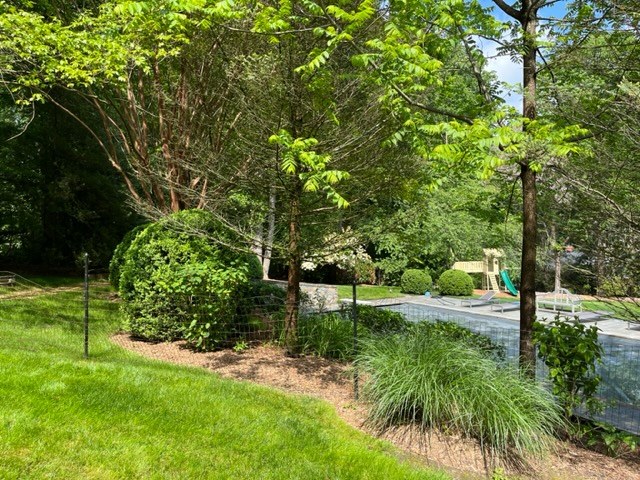
In Northern Virginia, there are certain things we notice almost immediately. A crape myrtle cut back into hard knuckles tells me something about pruning judgment. Boxwoods that have swelled past their intended shape tell me the design may be losing definition. A tired bed near the front entry may not need more of the same maintenance; it may be ready for a more thoughtful planting approach.
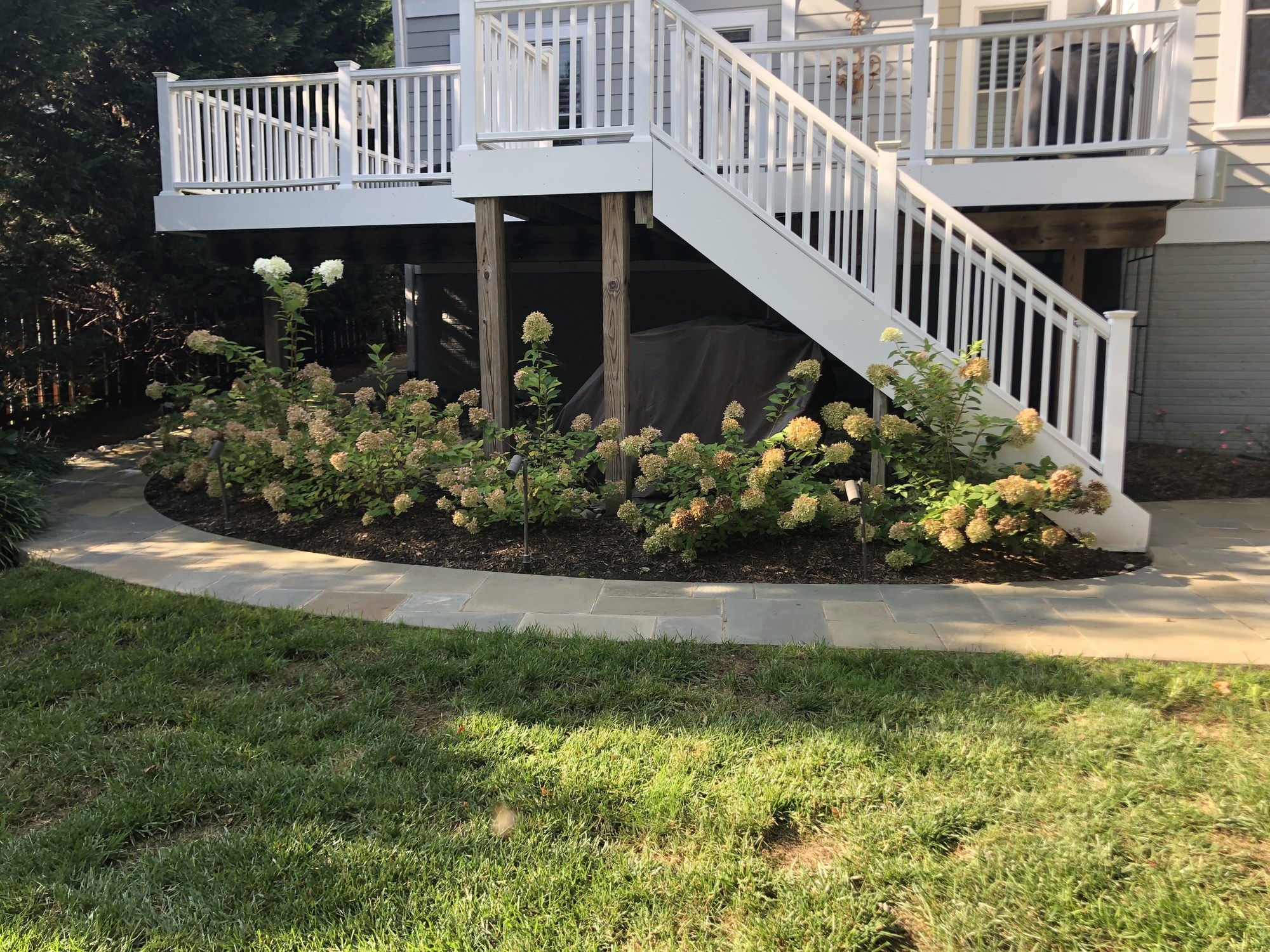
One of the clearest tells on a property is the use of mulch. That is right, the stepchild of landscaping: mulch.
Let me open by saying that this is a point of mulch pride at C&P. When you visit a property we have designed, built, and cared for, you really do not see much mulch. Properly executed, a great landscape is filled with lush vegetation, not covered by wood chips.
That said, every property needs some amount of mulch for moisture control, weed suppression, and soil protection. Mulch sounds simple, and to a lot of landscape maintenance firms it is just a spring cleanup item. They put down a fresh layer, make the beds look dark and finished, and move on. The problem is that if a crew does that every year without paying attention to buildup, the mulch keeps rising. It creeps up around trunks and shrubs. It buries the root flare.
When I see that on a property, I am not just seeing too much mulch. I am thinking about long-term tree health and the cost of losing maturity that cannot easily be replaced. Most tree roots move outward, and they need oxygen. Yes, roots breathe. If the grade around the tree is raised or the mulch is piled too high, the tree can begin living with stress long before the canopy shows it.
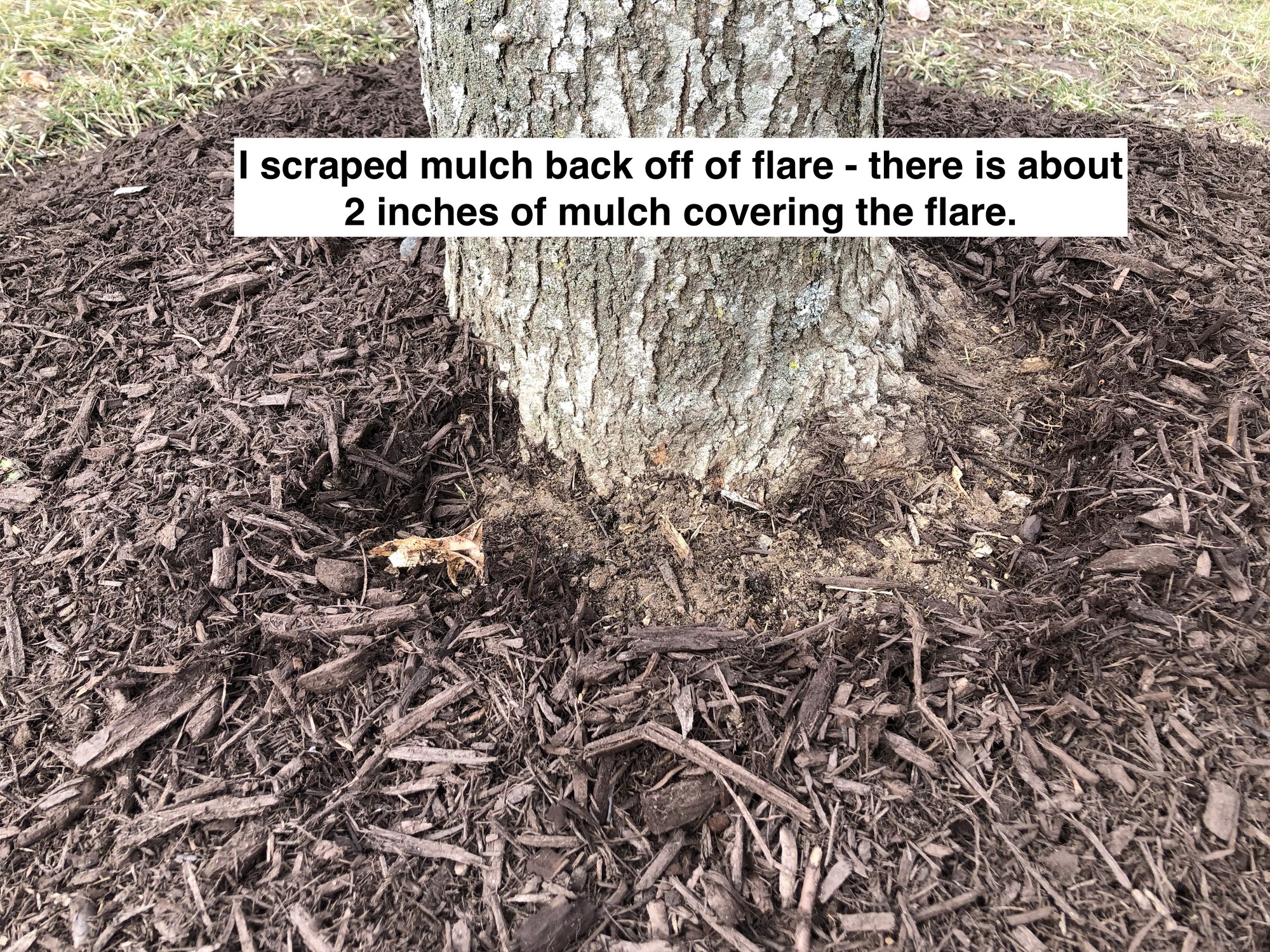
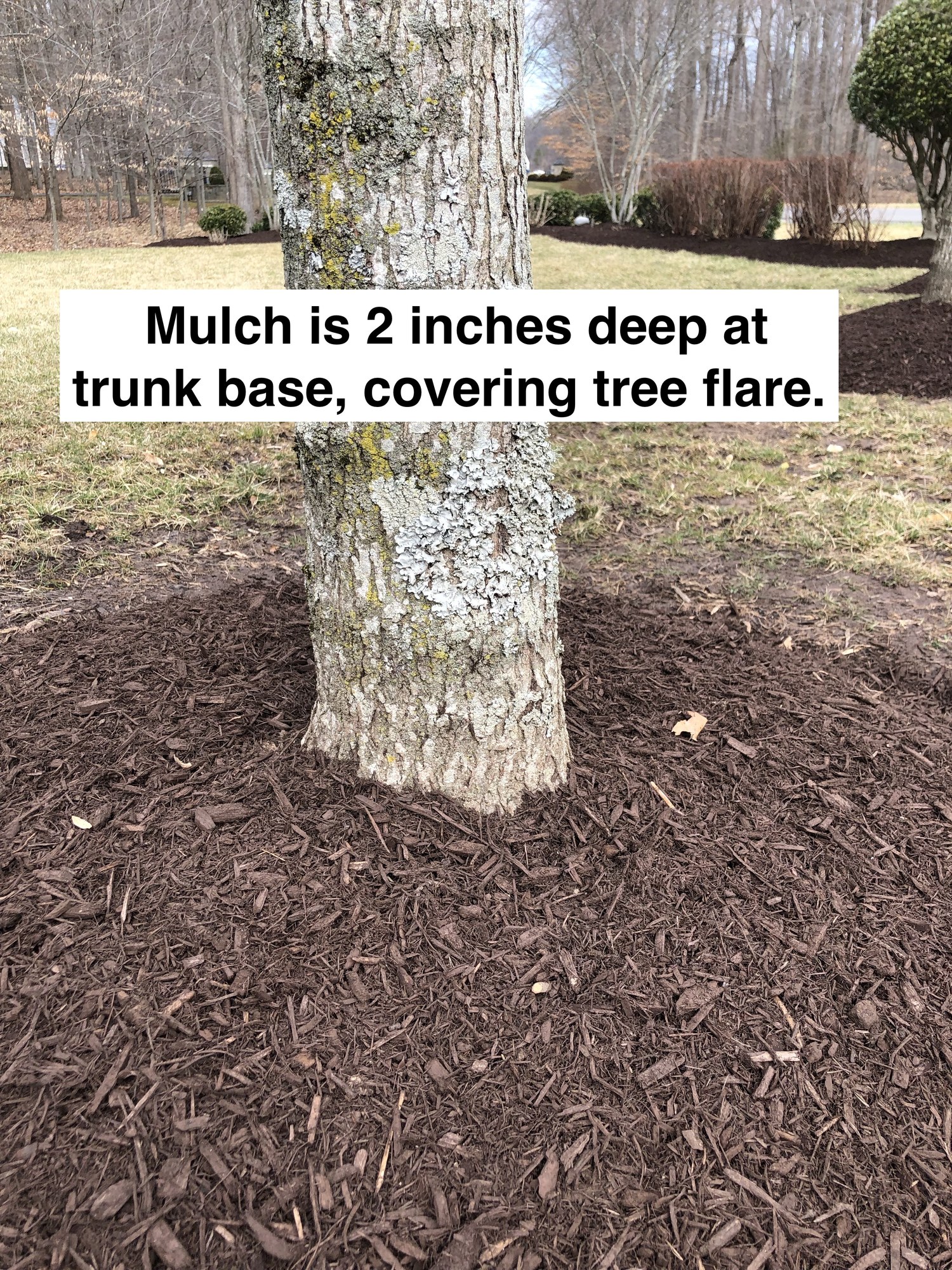
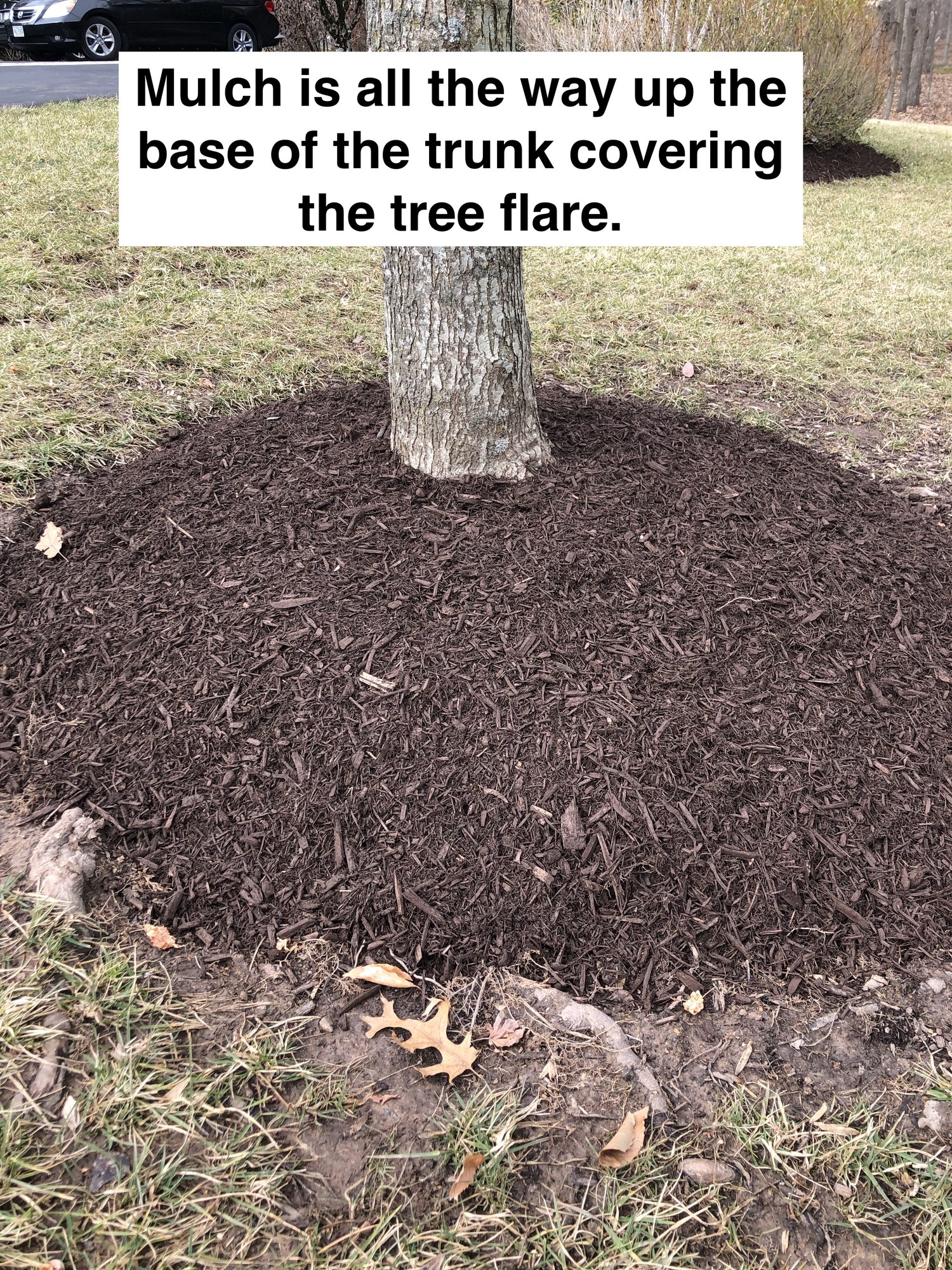
This is the part homeowners do not always see. The bed looks clean, the landscape maintenance invoice says mulch was installed, and the property may even look better for a few weeks. But if the root flare is a foot below the surface because layer after layer has been added, the tree is living with a problem that may take years to fully show itself.
How We Think Through A Problem Like That
The first move is not to start tearing apart the bed. We want to understand what is happening before we prescribe a fix. Sometimes the issue is simply too much material around the crown of the tree. Other times the grade, drainage, irrigation, or original planting detail is contributing to the problem. A good recommendation has to account for all of that without turning every observation into an emergency.
That is where the different areas of expertise inside your landscape team matter. The horticultural eye is protecting the health of the plant. The maintenance eye is thinking about how the property got here and how to keep the problem from repeating. The landscape architecture eye is looking forward: what role this tree, shrub, or planting bed should play in the larger composition; how it frames the house, screens a view, strengthens an outdoor room, or creates beauty through season, texture, contrast, and structure.
It is not maintenance. It is stewardship.
This is the difference between completing a task and caring for a landscape. A task says, “Mulch the beds.” Care asks, “What does this bed need, what is the mulch doing, and what will this decision mean three years from now?”
Every C&P Team Member Has an Eye for Perfection
One of the reasons I enjoy walking a property with Joe Ryder, our Operations Manager, is that he sees these clues in real time. He notices the small conditions that can quietly change the health, comfort, and appearance of a property. He is not just seeing a maintenance item; he is seeing how that item affects everything around it.
That kind of observation is one of the reasons our team is unique, if I do say so myself. To a person, we are trying to catch the small things while they are still small, and we are trying to connect the details that other companies may treat separately. A plant-health concern, a drainage pattern, a pruning decision, and the feeling of an outdoor room are often related. Signature Care gives those details one coordinated team and one standard of care.
The Property Is A System
I hate the term “landscape maintenance,” even though it is what most people search for. Maintenance can sound like keeping up with visible chores such as cutting the lawn, pulling weeds, pruning bushes, and edging. That is not who we are.
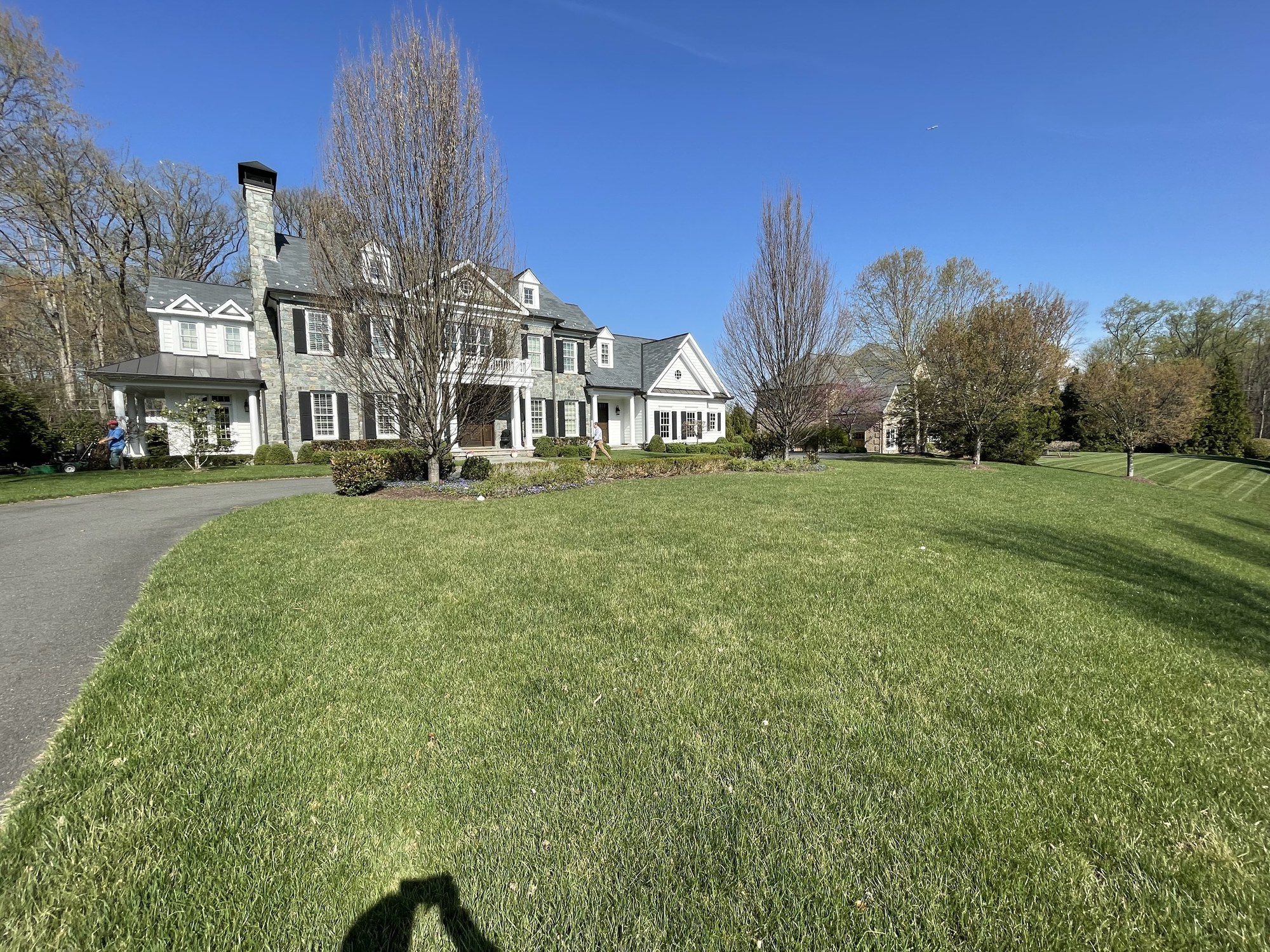
On the kind of properties we care for, and for the customers we serve, those practical tasks affect one another. If every part of the property is handled separately, the homeowner may have a lot of activity and still not have a coordinated plan. A landscape needs people who understand how today’s care decisions affect tomorrow’s beauty.
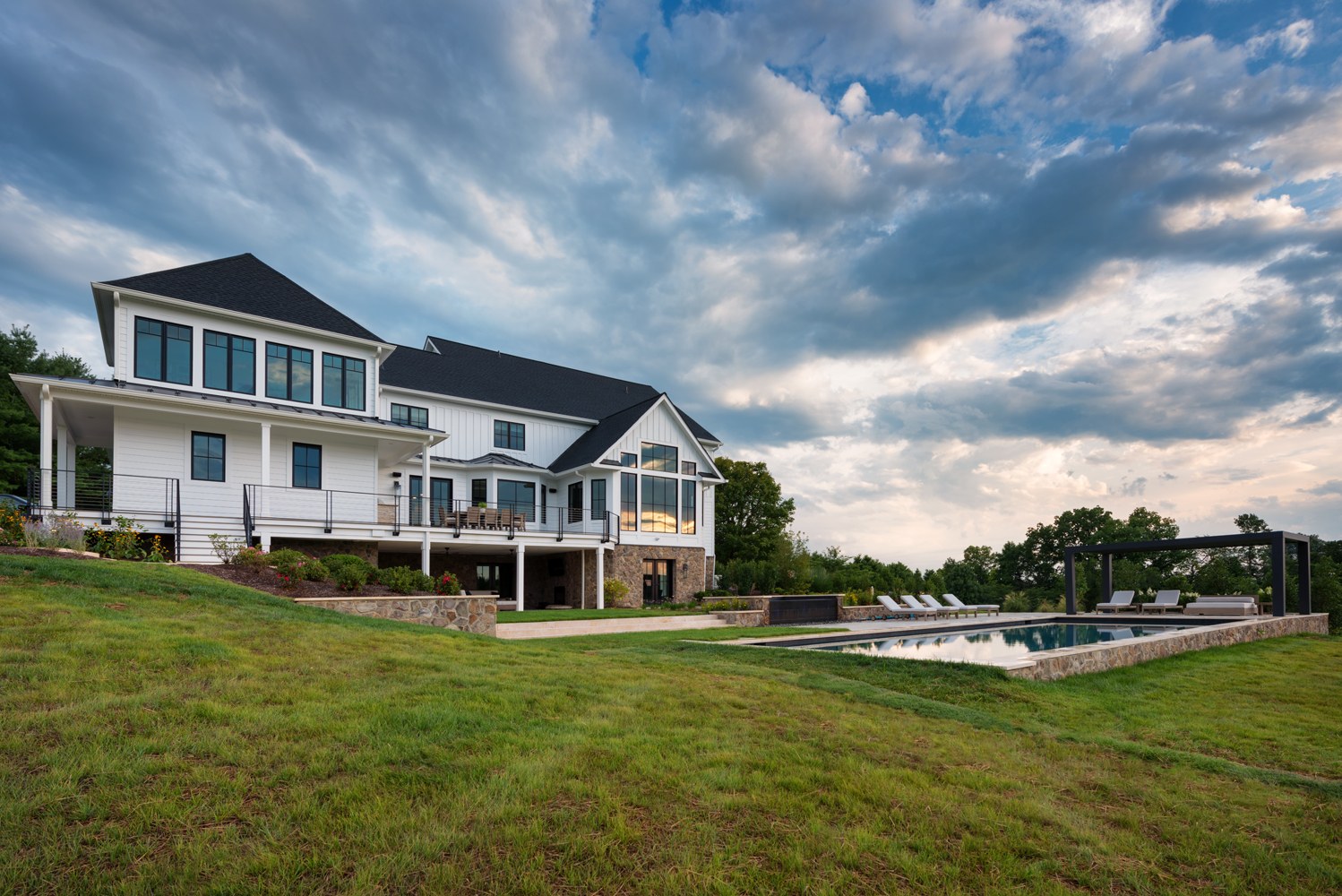
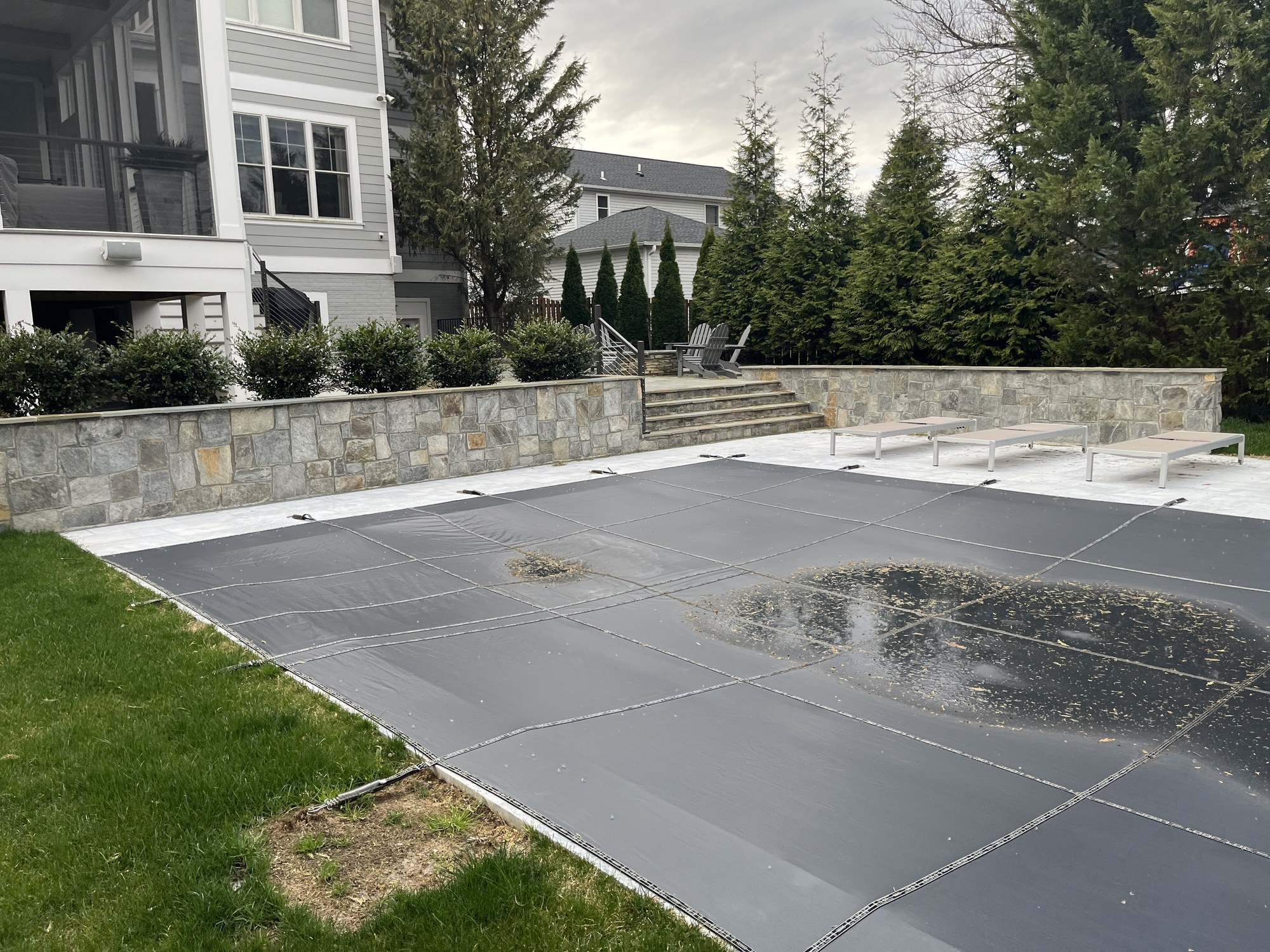
Our advantage is that we design, build, and maintain outdoor environments, so we are not looking at maintenance in isolation. We understand how the landscape was meant to support the home. We understand how mature plantings should be protected. We understand that drainage, masonry, pools, lighting, irrigation, and outdoor rooms are not separate worlds on a luxury property.
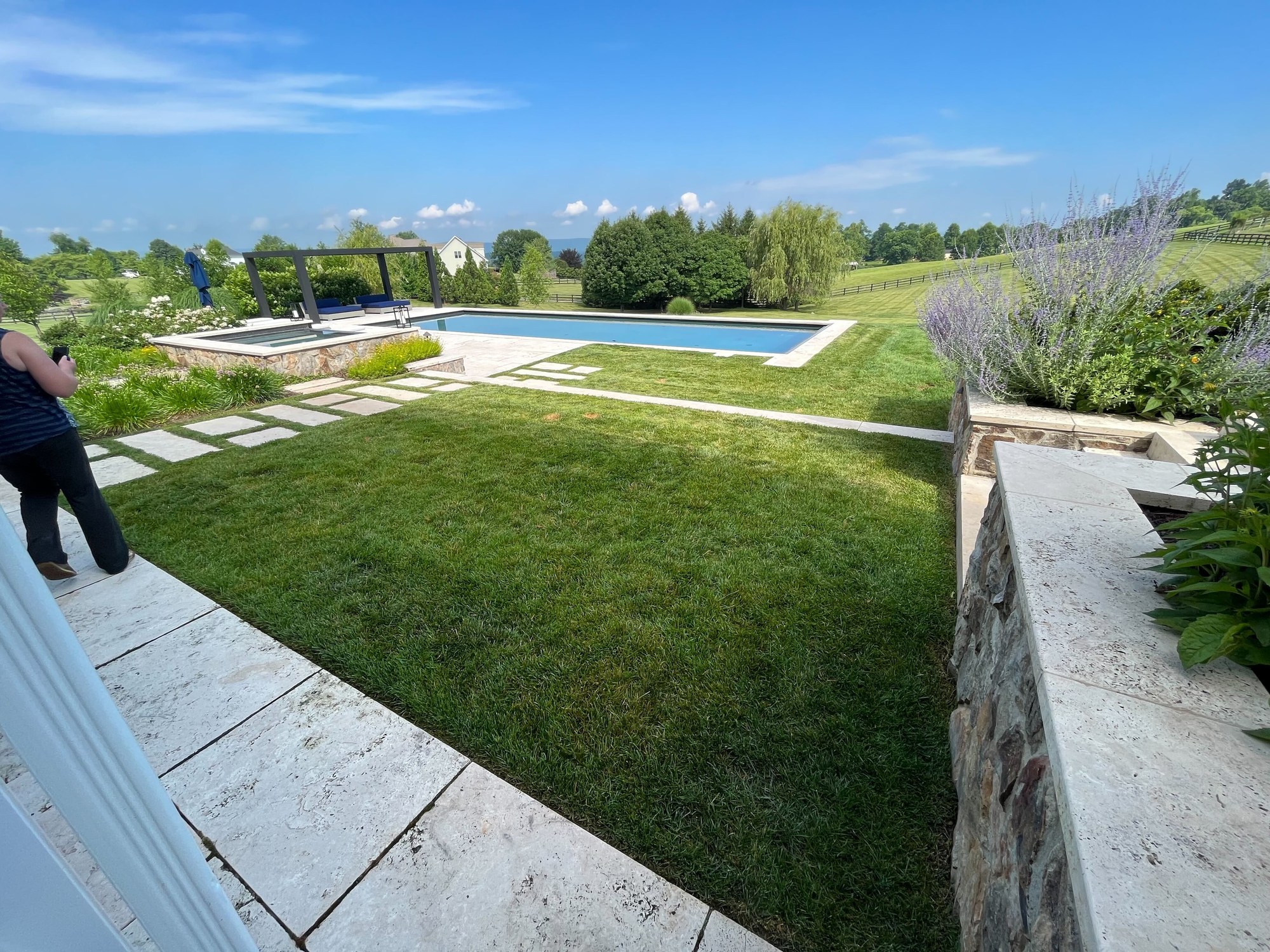
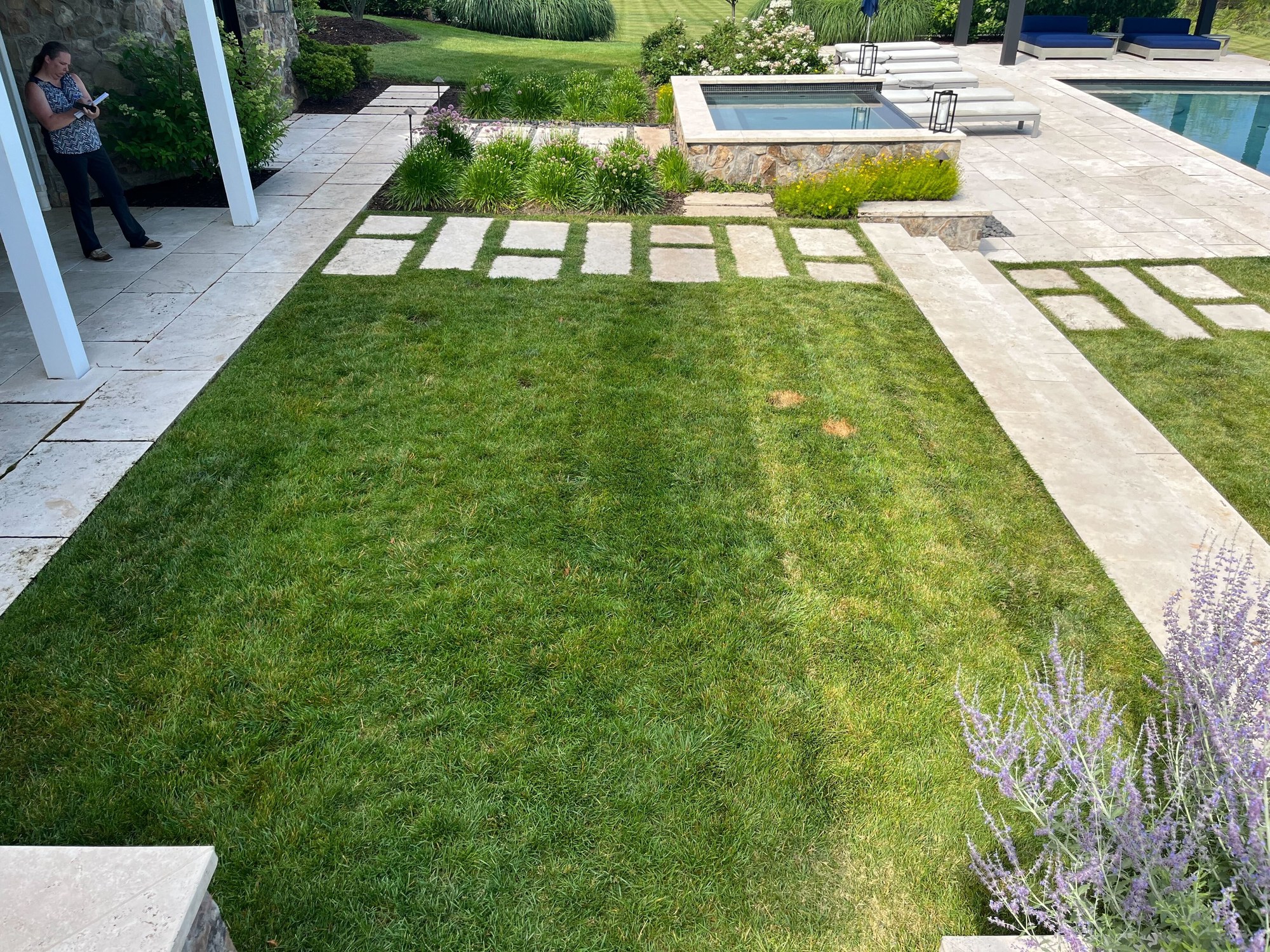
What The Walk Should Give You
A good property walk should leave a homeowner feeling more settled, not overwhelmed. We may notice a lot, but not everything needs to become a project. Some items belong in the normal maintenance rhythm. Others should be corrected once and then watched. And always, we should share ideas for improving the property over time.
The important part is that the property is being seen clearly and comprehensively. We want to protect what is already working, correct what is starting to drift, and identify opportunities that could make the landscape feel more intentional, more seasonal, and more complete.
One of the best compliments I have heard from a client is that we anticipate what she needs before she has to tell us. That is what Signature Care is supposed to feel like. It is not about hovering over a property or inventing work. It is about knowing the property well enough to protect the investment, improve the experience of living there, and give the homeowner good options before decisions become more painful.
From Maintenance To Stewardship
Stewardship asks a better question than ordinary maintenance. It does not begin with, “What needs to be done this week?” It begins with, “What does this property need in order to stay healthy, beautiful, and whole over time – and what could it become with the right care?”
This is where C&P can offer something more valuable than a checklist. Because landscape architects, horticultural specialists, construction professionals, and maintenance teams are working from the same understanding of the property, we can care for what exists today while also seeing the next layer of possibility.
That may mean adding plantings that bring seasonal color from spring through fall. It may mean introducing texture, contrast, and structure so a bed feels composed even when it is not in bloom. It may mean strengthening privacy, softening a pool edge, refreshing an entry sequence, improving lighting, or replacing tired plant material with choices that belong to the architecture of the home and the way the family uses the property.
Those recommendations should come from understanding, not from selling. When we know the property well, we can recommend the right work at the right time for the right reason. That is the heart of Signature Care: one relationship, one standard of care, and a landscape steward who is caring for the property you have today while helping it become more beautiful, resilient, and rewarding season after season.
Begin With A Signature Care Property Walk
It all begins with that first walk. If the care described here sounds like what you have been looking for, and what your property needs, please give us a call. We would love to chat.
Related
Signature Care Property Maintenance
The main service page for C&P long-term property stewardship.
Residential Landscaping
Design, planting, masonry, lighting, drainage, and outdoor living support.
Outdoor Living Insights
More articles from Colao & Peter.
Ready to Talk?
Schedule a Property Walk
We will walk the property with you, identify what needs attention, and help separate routine care from the decisions that protect the long-term value of the landscape.
Signature Care
Tell Us About Your Property
Share a few details, and a Property Care Specialist will be in touch.
Join a Community Built Around Extraordinary Outdoor Living
If you are looking for a team that can care for the whole property, we would be glad to walk it with you.